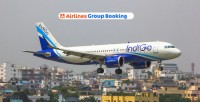
.png "Air turbulence: IndiGo cancels 300 flights in 2 days as new FDTL rules bite")
When severe air turbulence and the newly-implemented FDTL (Flight Duty Time Limitation) rules collided, IndiGo was forced to cancel almost 300 flights in just two days. This sudden disruption has affected thousands of passengers, including those using Indigo group booking, airlinesline group booking, and other Group Booking Services—making the situation even more challenging for large travel groups.
Understanding the Air Turbulence Issue
What caused the sudden turbulence wave?
Recently, India has witnessed unpredictable weather patterns, especially over the northern and eastern sectors. Strong wind shear, rapidly shifting jet streams, and cloud build-ups caused multiple aircraft to encounter moderate to severe turbulence.
How turbulence affects aircraft scheduling
When a flight experiences turbulence:
-
The crew may exceed duty time limits.
-
Aircraft may need extra inspections.
-
Delays ripple across the network.
Impact on crew duty hours
Even a 20–30 minute delay due to turbulence can push pilots beyond legal duty time, forcing cancellations.
Passenger safety considerations
Airlines always put safety first. If turbulence threatens safety margins, flights are grounded until conditions improve.
What Are the New FDTL Rules?
Key changes introduced
The DGCA’s updated FDTL rules aim to reduce pilot fatigue by:
-
Shortening duty periods
-
Increasing mandatory rest hours
-
Limiting night operations
Why airlines are struggling with compliance
Airlines with tight scheduling—especially IndiGo, which runs over 1,800 flights daily—are facing challenges adjusting rosters overnight.
Crew fatigue management
Pilots now need longer breaks, leading to fewer available crews.
Operational constraints
Peak-hour flights are hardest to manage because even small delays break compliance.
Why IndiGo Was Hit the Hardest
IndiGo’s large network and tight scheduling
As India’s biggest airline, IndiGo operates more flights than all other carriers combined. Any turbulence-related delay disrupts its entire network.
Pilot shortage and rostering challenges
With the FDTL rules tightening, IndiGo reportedly faces:
-
Fewer reserve pilots
-
Heavier operational pressure
-
Difficulty adjusting last-minute delays
Passenger Impact
Delays and rebookings
Many passengers have faced:
-
Missed connections
-
Flight reassignments
-
Overnight delays
Refund and compensation rules
Passengers whose flights were cancelled:
-
Can claim full refunds
-
Can request free rescheduling
-
May receive compensation depending on the circumstances
Tips for affected passengers
-
Check flight status before leaving home
-
Use the airline’s WhatsApp or app alerts
-
Keep documents ready for refunds
How Group Travelers Are Affected
The challenge for group travel itineraries
Large groups—weddings, corporate events, tours—face more issues because:
-
Rebooking a full group is harder
-
Many need to travel together
-
Hotel and event plans get disrupted
How indigo group booking teams are handling disruptions
IndiGo’s group desk is offering:
-
Priority rebooking
-
Splitting large groups into multiple flights
-
Alternate sector options
Airlines Line Group Booking Options
Why group booking is becoming more popular
Travel groups prefer airline-direct bookings because:
-
Prices are stable
-
Seats are reserved
-
Support is dedicated
Role of Group Booking Services in managing cancellations
These services help groups:
-
Find backup flights
-
Manage last-minute changes
-
Handle documentation and refunds
How Airlines Are Responding
Extra crew planning
Airlines are preparing larger standby teams.
Increasing reserve pilots
Some carriers are hiring or re-contracting pilots quickly.
Adjusting flight schedules
Airlines may reduce late-night flights and increase daytime operations.
Government and DGCA’s Role
Why the new rules were introduced
The FDTL update was aimed at:
-
Preventing fatigue
-
Reducing pilot stress
-
Avoiding long-term safety hazards
Expected long-term benefits
Although disruptive now, the rules should make flying safer and more reliable in the future.
Is Air Travel Still Safe?
Safety measures airlines follow
-
Strict duty time monitoring
-
Real-time weather analysis
-
Mandatory turbulence reporting
Why turbulence is normal
Turbulence doesn't mean danger—it’s like bumps on a road. Aircraft are designed to withstand far stronger forces.
Future of Flight Operations in India
How airlines may adapt
-
Increasing pilot recruitment
-
Restructuring flight schedules
-
Improving weather prediction tools
Expected recovery timeline
Experts believe airlines may stabilize operations within a few weeks once rosters are adjusted.
FAQs
1. Why did IndiGo cancel so many flights?
Because turbulence-related delays pushed pilots beyond the new FDTL limits.
2. What are the new FDTL rules?
They reduce maximum flying hours and increase mandatory pilot rest periods.
3. Are group bookings more affected than regular passengers?
Yes, because rebooking large groups together is more complicated.
4. Can passengers get refunds for cancelled IndiGo flights?
Yes, full refunds or free rebooking options are available.
5. Is flying during turbulence dangerous?
Generally, no. Turbulence is common and aircraft are designed to handle it safely.
Conclusion
The mix of heavy air turbulence and the new FDTL rules created the perfect storm for IndiGo, forcing the cancellation of nearly 300 flights in 2 days. While the situation has caused inconvenience—especially for group travelers using indigo group booking or other Group Booking Services—these changes are ultimately aimed at improving safety. Over time, as airlines adapt, passengers can expect smoother operations and more reliable schedules.
.png)
.png)
.png)